M/01
Direct communication
You speak to the engineers doing the work. Account management does not stand in between.
§ Yoto GmbH — Studio N°01
We are a small, focused software engineering studio. We design and build custom applications, cloud platforms and integrations for organisations that plan to run the result for many years.

§ 01 — Introduction
Yoto GmbH exists to build software carefully. Every engagement begins with a written problem statement, an honest technical assessment and an agreement about the way we will work together. We prefer small teams, direct communication and a limited number of concurrent projects to a large roster of half-attended ones.
Our work is engineering. Interfaces should be usable, code should be readable, and decisions should be traceable. What we produce should still make sense to the team that inherits it three years from now.
§ 02 — Core capabilities
Applications built to fit a specific operation instead of a category.
Infrastructure, environments and delivery pipelines on major providers.
Contracts between systems that hold up as both sides evolve.
Bringing older codebases forward without pausing the business.
Structural decisions documented, discussed and revisited over time.
Testing, reviews and hardening embedded in the working process.
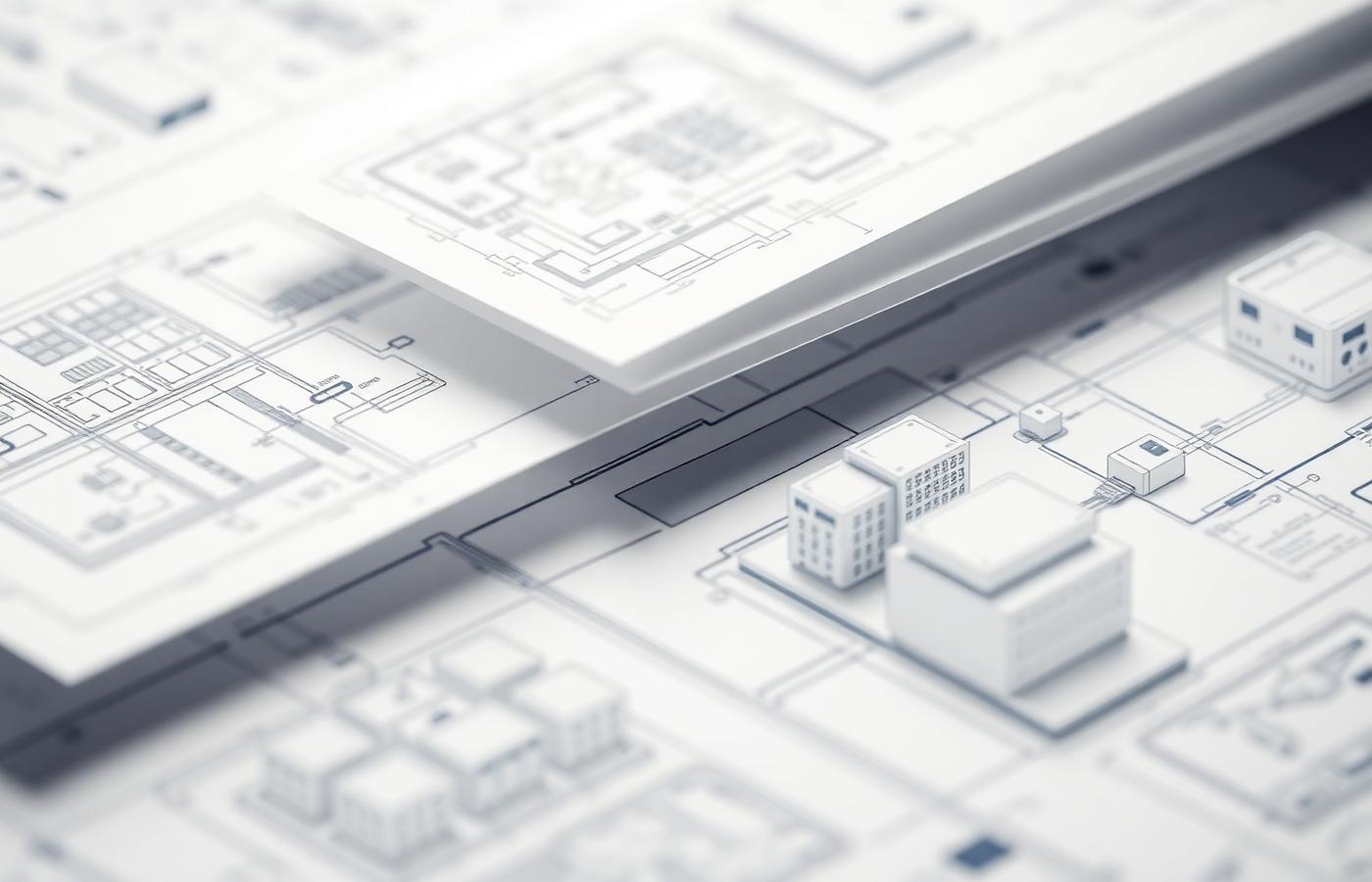
Fig. 02 — Cloud blueprint, layered environments
§ 03 — Services overview
Every service is delivered by engineers who own the technical decision. There are no layers between the team writing the code and the person accountable for it.
Purpose-built applications for internal or customer-facing use.
Interfaces engineered for daily use, not just first impressions.
Data models, services and contracts that scale with your product.
Environments, delivery and observability across major providers.
Incremental replacement strategies that keep systems in service.
Reviews, architecture, and support for in-house engineering teams.
A full description of each service is on the Services page.
§ 04 — Technology
Technology choices are made per project against the requirement, the operating context and the team that will run the result. This is the current working vocabulary of the studio.
§ 05 — Development process
We keep the process visible. Anyone on the client side can follow what is happening, why, and what is next.
We map the problem, constraints and existing systems together with your team.
Scope, architecture and delivery plan are written down and shared.
Short cycles with working software, review sessions and honest reporting.
Automated tests, performance and security work moved from tail-end to routine.
Documentation, environments and knowledge transferred to the people who own the system next.
§ 06 — Problems we help with

Operations depend on spreadsheets and manual work that cannot scale further.
An existing product needs a rebuild before adding another feature is realistic.
Third-party systems have to exchange data reliably and remain in sync.
A regulated workflow needs a clear audit trail and traceable decisions.
Engineering capacity is limited and a specific programme needs to move forward.
A public API is required for partners, and it must remain stable for years.
§ 07 — Industries & projects
The studio takes on projects in the domains listed here. Domain fit is confirmed during discovery, not assumed.
§ 08 — Security & quality
Automated test suites are written alongside the code, not after it.
Every change goes through code review before it reaches a shared branch.
Secrets, dependencies and access are handled with least-privilege defaults.
Logs, metrics and traces are set up early so that operating the system is not an afterthought.
Threat modelling is done in proportion to the sensitivity of the data being handled.
Fig. 03 — Perimeter
§ 09 — Collaboration
M/01
You speak to the engineers doing the work. Account management does not stand in between.
M/02
Decisions, trade-offs and open questions are captured in shared documents that outlive any single meeting.
M/03
A short weekly review, a running plan and honest status. No surprise reports at milestones.
§ 10 — Frequently asked

§ 11 — Contact
Write to us with a short description of the situation and what you are trying to achieve. We reply personally.